
Sometimes we need Help
Sometimes it feels like going to a psychologist is like labeling yourself as "something's wrong with me." This is especially true among students: everyone around you seems to be coping, meeting deadlines, going to parties, and still managing to build a career and personal life. If you can't cope, does that mean you're weak? Spoiler: no.
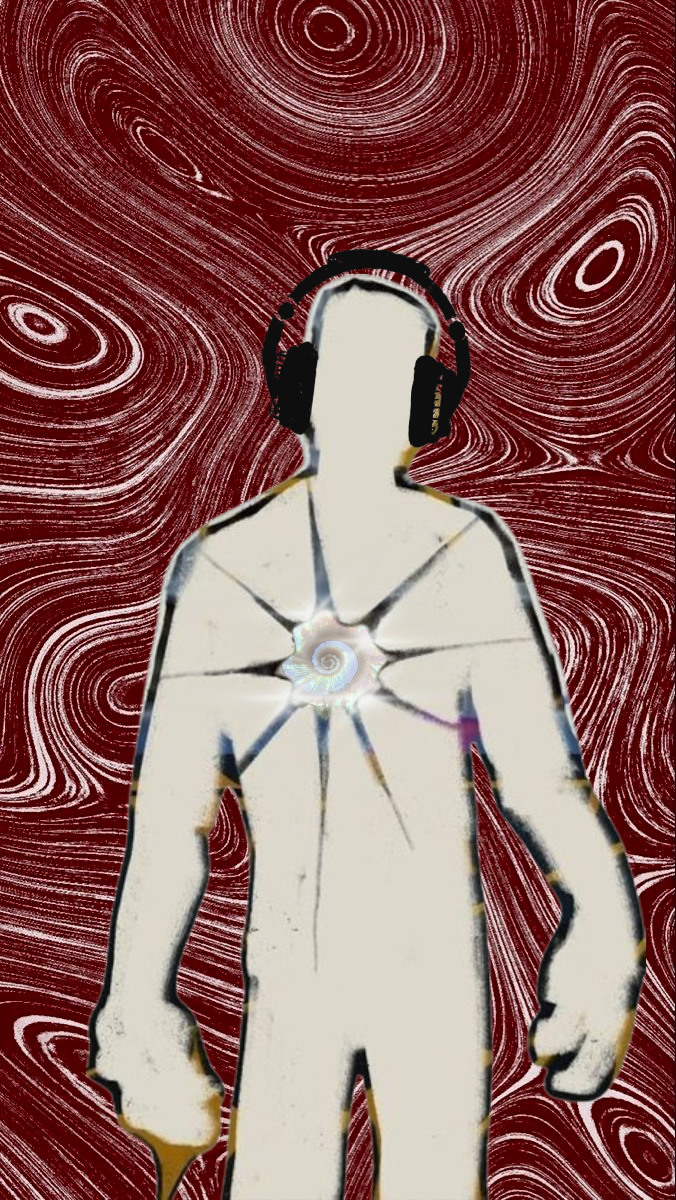
design by alyssa dalto
The stigma surrounding psychotherapy is still present. Some are afraid of what their parents will think - especially if they've done everything to ensure a smooth and comfortable transition into adulthood - others are afraid that their friends will look at you differently. There's a certain belief that seeing a specialist is only for, let’s say, severe cases. However, a psychologist isn't a last resort. They're a specialist, just like a dentist: you wouldn't wait until your tooth is completely decayed to make an appointment.
Moreover, students have more than enough reasons to be overwhelmed: moving to a new city or country, financial stress, expectations, loneliness, relationship breakdowns, the feeling of constantly comparing themselves to others. This emotional noise, although background, is very taxing on the nervous system. Fatigue gradually builds. And sometimes we become so accustomed to living "on the edge" that we stop noticing how hard it is.
What signs might indicate you need support? Constant anxiety without a clear cause. Difficulty sleeping. Sudden mood swings. A feeling of emptiness or, conversely, irritation with everything and everyone. Loss of interest in things that used to bring joy. Thoughts like "I'm not good enough" become, again, background noise.
Seeking help is easier than it seems. Universities often offer free consultations, you can contact the student wellbeing center, or find a specialist online. The first step is probably the hardest: sending a message or making an appointment. Next: a normal conversation where you're not judged or compared.
And most importantly: seeing a psychologist is normal. It's not a sign of weakness, but an act of self-responsibility. We learn to manage finances, build a career, and develop our bodies at the gym. Why should mental health be an exception? It's never too late. Not in your first year, not after graduation, not when things have already gotten too bad. Asking for help isn't the same as admitting defeat. It's the beginning of a journey toward a more resilient, calmer version of yourself. And you definitely deserve this support 🩶.
24.02.2026